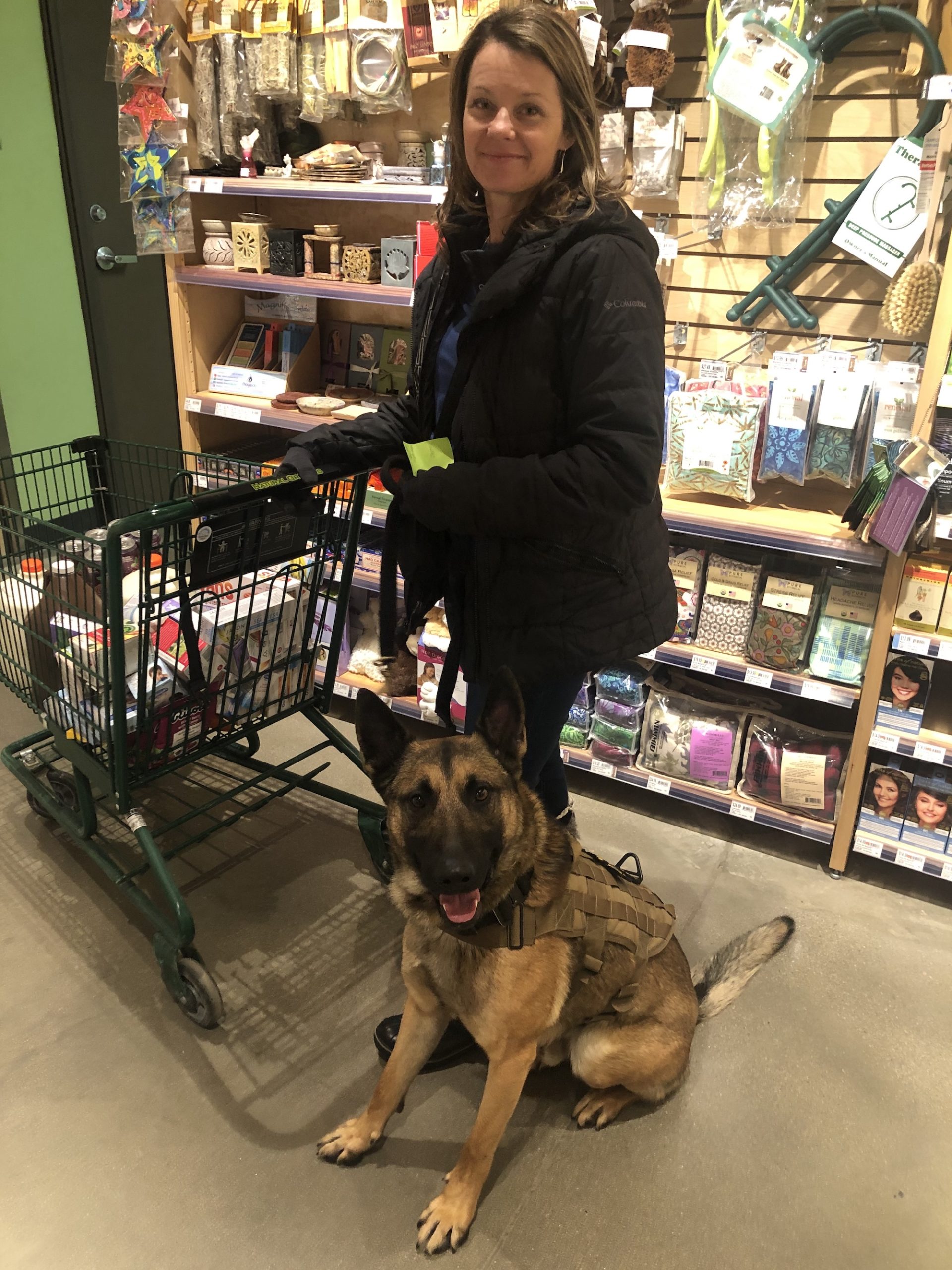
Best Dog Breeds for Family Security: What Families Need to Know Before Choosing a Protection Dog
Most families searching for the best dog breeds for family security are not really looking for a breed.
They are looking for certainty.
They want to know which dog can help protect their family without becoming a danger inside the home.
That is the right concern.
A family security dog must live safely with children, guests, pets, movement, noise, visitors, public environments, and normal household life. But if a real threat appears, the dog must also be capable of responding with control and purpose.
That balance is rare.
The mistake many people make is assuming the breed creates that balance by itself.
It does not.
Breed matters.
Genetics matter more.
Training matters more than most buyers realize.
And stability matters most of all.
If a dog is not safe around your children, it is not a protection dog.
The Best Family Security Dogs Usually Come From Three Working Breeds
When people ask about the best dog breeds for family security, the strongest answer is not a long list of impressive-looking dogs.
For serious real-world family protection, the best candidates usually come from:
- German Shepherds from solid working lines
- Belgian Malinois
- Dutch Shepherds
But that statement needs a serious caveat.
These breeds are only good choices when the individual dog comes from lines that have been intentionally bred, selected, and trained for real protection work.
A German Shepherd from weak pet lines is not automatically a protection dog.
A Belgian Malinois with poor nerves or bad training can become a liability.
A Dutch Shepherd with the wrong temperament can be too much dog for the wrong family.
Any breed can be a bad choice if the breeding is poor, the temperament is unstable, or the training is not designed for real-world application.
That is why the better question is not simply:
“What breed should I get?”
The better question is:
What dog has the genetics, temperament, training, stability, and control to protect my family safely in real life?
Breed Gives You Potential. It Does Not Give You a Finished Dog.
A breed can point you in the right direction.
It can tell you what kind of physical ability, drive, intelligence, trainability, and natural tendencies may be present.
But breed alone does not create a family protection dog.
A true family security dog must have:
- Stable temperament.
- Strong nerves.
- Clear obedience.
- Handler focus.
- Environmental confidence.
- Controlled aggression.
- Ability to settle in the home.
- Safety around children.
- Tolerance for normal family life.
- Discernment around guests and strangers.
- Capability under real pressure.
- A reliable off switch.
That means the dog must be selected for the task, trained for the task, and matched to the family.
A dog that only looks intimidating is not enough.
A dog that only barks is not enough.
A dog that only bites equipment on a training field is not enough.
A real family protection dog must be safe until protection is required.
The Switch: The Standard Every Family Should Look For
At Fortress K9, we use the term The Switch.
The Switch means the dog can live calmly in the home, remain stable around the family, and respond decisively when a real threat appears.
Calm family dog.
Controlled aggression when needed.
Then back to obedience and stability.
That is the standard.
A dog that cannot turn off is not a good family security dog.
A dog that cannot turn on under real pressure is not a protection dog.
The right dog must do both.
This is why breeding and training matter so much.
You are not looking for a dog that lives in constant suspicion.
You are not looking for a dog that barks at every guest.
You are not looking for a dog that creates daily management problems.
You are not looking for a dog that performs flashy sport routines but cannot handle real household life.
You are looking for stability and capability in the same dog.
That does not happen by accident.
1. German Shepherds From Solid Working Lines
A properly bred working-line German Shepherd can be one of the best choices for family security.
The key phrase is working-line.
Not every German Shepherd is suitable for family protection. Many German Shepherds today are bred primarily for appearance, companionship, or sport traits that may not translate cleanly into real-world family protection.
A solid working-line German Shepherd can offer:
- Intelligence.
- Trainability.
- Loyalty.
- Clear bonding with the family.
- Strong protection potential.
- Environmental awareness.
- Physical capability.
- Better household balance than some higher-intensity breeds.
For many families, the German Shepherd has the right potential balance.
A good one can be serious without being frantic.
Protective without being unstable.
Trainable without being soft.
Capable without being impossible to live with.
But the line matters.
A German Shepherd with weak nerves, poor hips, bad structure, unstable aggression, anxiety, or no real working background may be a poor choice.
The name “German Shepherd” is not enough.
The dog must come from proven working lines and must be trained for real-world family protection.
Best for: Families wanting a balanced, intelligent, trainable protection dog with strong household potential.
Watch out for: Weak nerves, poor breeding, health issues, anxiety, show-line exaggeration, poor socialization, and sellers relying on breed reputation instead of proving the individual dog.
2. Belgian Malinois
The Belgian Malinois is one of the most capable working breeds in the world.
A well-bred Malinois can be fast, athletic, intense, clear-headed, highly trainable, environmentally confident, and extremely effective in protection work.
But this breed is not for everyone.
The same traits that make the Malinois powerful in protection work can make it difficult for an inexperienced family.
A poorly matched Malinois can become:
- Frantic.
- Destructive.
- Reactive.
- Obsessive.
- Difficult to settle.
- Unsafe in the wrong home.
- Too intense for the average owner.
That does not make the breed bad.
It means the breed must be selected and placed carefully.
A Belgian Malinois can be an exceptional family protection dog when the dog has the right genetics, the right temperament, the right training, and the right family structure.
But a Malinois should not be chosen because someone saw an impressive police dog video online.
The breed requires skill, structure, and a serious understanding of working dogs.
Best for: Experienced handlers, active families, and serious protection buyers who understand structure, consistency, and handler responsibility.
Watch out for: Excessive drive, poor off switch, weak nerves, poor household fit, destructive behavior, and sport-style training that does not prepare the dog for real family protection.
3. Dutch Shepherd
The Dutch Shepherd is another strong candidate for real-world family security.
Like the Belgian Malinois, the Dutch Shepherd can be athletic, intelligent, driven, trainable, and capable under pressure.
The breed is often used in working environments because of its versatility, intensity, and physical ability.
A properly selected Dutch Shepherd can make an excellent protection dog.
But again, breed name is not enough.
A Dutch Shepherd from poor lines or with the wrong temperament can be too reactive, too intense, too nervous, or too difficult for a family to manage.
The right Dutch Shepherd must have:
- Strong nerves.
- Clear temperament.
- Real working ability.
- Trainability.
- Environmental confidence.
- Control.
- A usable off switch.
- Stability around the family.
In the right program, the Dutch Shepherd can be a strong choice for families who need serious capability.
In the wrong program, or from the wrong lines, it can become a problem.
Best for: Serious working-dog buyers who want capability, athleticism, intelligence, and real-world protection potential.
Watch out for: High drive without control, poor off switch, weak socialization, poor nerves, and buying based on breed name instead of individual dog quality.
Why Other “Guard Dog Breeds” Are Not the Main Recommendation
Many articles list Rottweilers, Dobermans, Cane Corsos, Giant Schnauzers, Akitas, Boxers, and other breeds as “best guard dogs.”
Some individual dogs from those breeds may be protective.
Some may be strong deterrents.
Some may even be useful in certain security roles.
But for serious family protection, Fortress K9 does not build the recommendation around a long breed list.
The goal is not to name every breed that might look intimidating or bark at strangers.
The goal is to identify the breeds most consistently suited to real working protection when bred, selected, and trained correctly.
For that reason, the strongest recommendation remains:
- German Shepherds from solid working lines.
- Belgian Malinois.
- Dutch Shepherds.
Even then, the individual dog matters more than the breed label.
A well-bred German Shepherd, Malinois, or Dutch Shepherd can be a good choice.
A poorly bred one can be a bad choice.
That is the part most breed articles do not say clearly enough.
Any Breed Can Be the Wrong Choice
This needs to be said plainly.
Any breed can be a bad choice if:
- The breeding is poor.
- The dog has weak nerves.
- The dog lacks stability.
- The dog is too reactive.
- The dog has no off switch.
- The dog cannot live safely with children.
- The dog has not been trained for real-world protection.
- The dog has only been trained for sport routines.
- The dog is placed with the wrong family.
- The family receives poor transfer training.
- The seller does not provide ongoing support.
A breed can give you potential.
Poor breeding can ruin that potential.
Bad training can misdirect that potential.
The wrong family match can make that potential dangerous.
This is why buying a family protection dog is not the same as picking a puppy from a breed list.
It is a selection, training, and integration process.
Real-World Protection Is Different From Sport Training
Many people see a dog bite a sleeve and assume they are looking at protection.
Not necessarily.
Bite work is not the same as family protection.
A sport dog may bite hard.
A sport dog may perform a clean routine.
A sport dog may look impressive on a field.
But real-world protection is different.
A real threat may happen:
- In a hallway.
- At a vehicle.
- Near children.
- Around guests.
- In low light.
- In tight spaces.
- Around other animals.
- With multiple people.
- With weapons.
- In an unpredictable environment.
Sport training often happens in structured environments with predictable patterns, known equipment, and a trained helper who behaves in ways the dog has seen before.
Family protection cannot depend on that.
A true Family Protection Dog must be trained for real-world application.
That means the dog must understand the task is not to play a game or chase equipment.
The task is to protect the family.
Stability Is More Important Than Intimidation
Many buyers think they need the most intimidating dog they can find.
That is usually the wrong place to start.
For a family, the first question is not:
“Will this dog scare people?”
The first question is:
“Can this dog live safely in my home?”
A family security dog must be stable around:
- Children.
- Spouses.
- Guests.
- Friends.
- Delivery drivers.
- Contractors.
- Other pets.
- Public environments.
- Normal household movement.
- Family stress.
- Noise.
- Travel.
- Daily routines.
A dog that cannot handle normal life is not a protection dog.
It is a liability.
A true protection dog must know how to live peacefully until a real threat appears.
Then, if the situation requires it, the dog must be capable of controlled aggression.
Then the dog must turn off.
That is the standard.
The Best Breed Depends on the Mission
Even within German Shepherds, Belgian Malinois, and Dutch Shepherds, the right dog depends on the mission.
If the family wants maximum household balance
A solid working-line German Shepherd may often be the best starting point.
The right German Shepherd can offer serious capability with a more practical family-living profile.
If the family is experienced and wants higher intensity
A Belgian Malinois may be appropriate.
But the family must understand the level of structure, exercise, obedience, and handler clarity required.
If the family wants a serious working dog with strong versatility
A Dutch Shepherd may be a strong option.
But, like the Malinois, the individual dog and training program matter heavily.
If the family has young children
Breed becomes secondary.
Stability, obedience, temperament, training, and proper Family Integration Training become the priority.
If the buyer has no working-dog experience
A fully trained dog with professional transfer training is usually safer than trying to raise a high-drive puppy into a protection dog.
What Families Should Look For Instead of Just Breed
Before choosing a family security dog, ask these questions.
1. Is the dog from proven working lines?
Do not buy based on appearance alone.
The dog should come from lines selected for temperament, nerve strength, working ability, health, and stability.
2. Has the dog been trained for real-world protection?
Real-world protection is not sport points.
The dog should be trained for practical environments, family life, vehicles, homes, public settings, and real threat behavior.
3. Is the dog safe in the home?
The dog must be safe with children, family members, and normal household activity.
4. Does the dog have an off switch?
A dog that cannot settle is not a good family security dog.
5. Can the dog obey under pressure?
Obedience in the yard is not enough.
The dog must listen when excited, stressed, challenged, or activated.
6. Has the dog been matched to the family?
The right dog for one home may be the wrong dog for another.
The dog must fit the family’s lifestyle, experience, structure, and security needs.
7. Does the company provide Family Integration Training?
The family must be trained to live with, manage, and maintain the dog.
A protection dog is not a product you simply plug into the home.
It is a relationship and a system.
8. Is there follow-up support?
A serious protection dog requires support after placement.
Questions will come up.
Handling will need refinement.
The family should not be left alone after delivery.
The Biggest Mistakes Families Make When Choosing a Security Dog
Mistake 1: Buying Based on Breed Name
A German Shepherd is not automatically good.
A Belgian Malinois is not automatically elite.
A Dutch Shepherd is not automatically suitable.
Breed is only the starting point.
Mistake 2: Buying From the Wrong Lines
A dog bred for looks, unstable drive, weak nerves, or the wrong purpose may not be suitable for family protection.
The line matters.
Mistake 3: Confusing Bite Work With Protection
Biting equipment is easy to show.
Stability, judgment, and control are harder to build.
A family does not need a dog that only chases equipment.
A family needs a dog that understands the mission: protect the people.
Mistake 4: Ignoring the Off Switch
A dog that cannot relax in the home is not a good family security dog.
Capability without stability creates problems.
Mistake 5: Choosing Too Much Dog
Some buyers want the most intense dog possible.
That can be a mistake.
The right dog is not the hardest dog.
The right dog is the dog that fits the family and can perform the mission safely.
Mistake 6: Shopping Only by Price
Cheap dogs often become expensive problems.
The cost of the wrong protection dog is not just financial.
It can include liability, stress, family danger, failed protection, and regret.
Mistake 7: Assuming Training Transfers Automatically
A trained dog still needs proper handler transfer.
The family must learn how to communicate, manage, correct, praise, maintain obedience, and preserve the dog’s clarity.
That is why Family Integration Training matters.
So, What Are the Best Dog Breeds for Family Security?
The clearest answer is this:
The best dog breeds for family security are usually German Shepherds from solid working lines, Belgian Malinois, and Dutch Shepherds.
But only when the dog is:
- Properly bred.
- Properly selected.
- Temperamentally stable.
- Trained for real-world protection.
- Safe in the home.
- Obedient under pressure.
- Capable when required.
- Matched to the family.
- Supported with proper Family Integration Training.
The breed gives you the raw material.
The dog’s genetics, temperament, training, and stability determine whether that raw material becomes useful protection or a serious problem.
When a Fortress K9 Family Protection Dog Is the Right Decision
A Fortress K9 Family Protection Dog may be the right decision if:
- You want more than a barking dog.
- You want a dog that can live safely with your family.
- You are concerned cameras and alarms may not be enough.
- You want real-world protection, not sport performance.
- You need help choosing the right dog for your household.
- You want professional training, transfer, and follow-up support.
- You understand that a serious dog requires responsibility.
A protection dog is not right for everyone.
But for the right family, the right dog can change how you live.
More confidence at home.
More security when your spouse is alone.
More certainty when your children are in the house.
More peace of mind when something feels wrong.
That is the point.
Not owning a certain breed.
Owning the right dog.
Need Help Choosing the Right Family Security Dog?
If you are serious about protecting your family, do not start by asking only, “What breed should I buy?”
Start by asking:
What kind of dog is safe enough to live with my family and capable enough to protect them if a real threat appears?
Fortress K9 trains Family Protection Dogs that are safe in the home, stable around the family, and capable when it matters.
If you are ready to purchase a trained Fortress K9 Protection Dog, then scheduling a consultation is the right decision.
If you want stronger family security before buying a protection dog, then the Family Protection Plan is the right decision.
If you want to understand real protection dogs before moving forward, then Beyond the Bite is the right decision.
FAQ Section
What are the best dog breeds for family security?
The best dog breeds for family security are usually German Shepherds from solid working lines, Belgian Malinois, and Dutch Shepherds. However, breed alone is not enough. The dog must come from proper working lines, have stable temperament, and be trained for real-world family protection.
Are German Shepherds good family security dogs?
Yes, German Shepherds from solid working lines can be excellent family security dogs. The key is working-line breeding, stable temperament, real-world training, and proper family integration. A German Shepherd from poor breeding or weak lines may be a bad choice.
Are Belgian Malinois good family protection dogs?
Belgian Malinois can be excellent protection dogs, but they are not right for every family. They are intense, athletic, driven dogs that require structure, handling skill, and proper training. A poorly bred or poorly matched Malinois can become a liability.
Are Dutch Shepherds good family security dogs?
Dutch Shepherds can be strong candidates for family protection when they come from the right lines and receive proper training. They are usually serious working dogs and must be matched carefully to the family’s experience, lifestyle, and security needs.
Can any breed be a bad protection dog?
Yes. Any breed can be a bad choice if the breeding is poor, the temperament is unstable, or the training is not designed for real-world applications. A breed name does not guarantee safety or protection ability.
Is bite work the same as protection training?
No. Bite work is not the same as real-world protection training. A dog may bite equipment in a sport setting and still not be prepared to protect a family in a real threat. Family protection requires stability, judgment, obedience, and controlled aggression in real-world environments.
What matters more than breed?
Genetics, temperament, nerve strength, stability, obedience, real-world training, handler transfer, and family fit all matter more than breed alone.
What is the safest protection dog breed for families?
The safest protection dog is not determined by breed alone. The safest choice is the individual dog that has the right working genetics, stable temperament, real-world training, clear obedience, and proper family integration.