How to Feel Safer at Home: A Practical Guide to More Peace, Control, and Real Protection
Home should be the place where your nervous system can finally settle.
But for many people, it does not feel that way.
You hear a noise outside.
You check the lock twice.
You wonder if someone can see through the window.
You walk from the car to the door with your keys in your hand.
You lie awake thinking about what you would do if someone tried to get in.
That does not mean you are paranoid.
It means your mind is asking a serious question:
Am I safe here?
The answer should not depend on wishful thinking.
The way to feel safer at home is to build a simple system that gives you more awareness, more control, more preparation, and more confidence.
This guide will walk you through that system.
Feeling Safe and Being Safe Are Connected
There is a difference between feeling safe and being safe.
But they are connected.
You can feel unsafe in a home that is statistically low-risk.
You can also feel falsely safe in a home that has obvious security gaps.
The goal is not to ignore fear.
The goal is to turn fear into a practical plan.
That plan should do five things:
- Reduce obvious vulnerabilities.
- Give you earlier warning.
- Make your home harder to target.
- Help you know what to do.
- Give you more confidence that you are not helpless.
The top search results for this topic are not filled with people asking for fantasy tactical advice. They are asking how to sleep better, live alone, manage fear, stop worrying about noises, use locks and lights, meet neighbors, and make the home feel secure again.
That is the right starting point.
You do not need to turn your home into a bunker.
You need a clear plan.
Step 1: Start With the Obvious Points of Control
Most people feel safer when they know the basics are handled.
Start there.
Before buying expensive equipment, check the simple things:
- Are all exterior doors locking correctly?
- Do the deadbolts actually seat into the frame?
- Are the strike plates reinforced?
- Are the screws long enough to reach structural framing?
- Do the windows lock?
- Are sliding doors secured?
- Is the garage door closed and locked?
- Are spare keys removed from obvious hiding places?
- Can someone see directly into your home at night?
- Are dark corners around the property lit?
This is not complicated. That is why it matters.
A lot of fear comes from uncertainty.
When you know your doors, windows, lights, and routines are solid, your mind has fewer open loops to keep checking.
Step 2: Use Lighting to Reduce Fear and Increase Awareness
Darkness makes people feel vulnerable.
It also helps people hide.
Lighting is one of the simplest ways to feel safer at home.
Use lighting in three areas:
Exterior Lighting
Install or improve lights near:
- Front door.
- Back door.
- Driveway.
- Garage.
- Side yard.
- Gate.
- Walkway.
- Porch.
- Dark corners near windows.
Motion-activated lights are useful because they notify you when something moves outside. The Examiner’s home safety guidance makes the same point: brightening surroundings and using outdoor sensor lights can reduce vulnerability and help you know if something is moving outside.
Interior Night Lighting
Inside the home, use low-level lighting where it helps you move calmly:
- Hallways.
- Kitchen.
- Stairs.
- Bathrooms.
- Children’s rooms.
- Near entry points.
The goal is not to flood the house with light.
The goal is to avoid that uneasy feeling of moving through a black hallway when you already feel on edge.
Visual Control
At night, close blinds and curtains.
You may not be able to see outside, but people outside may be able to see in clearly if your lights are on and your windows are uncovered. The Examiner specifically recommends closing blinds and curtains before dark for that reason.
That one habit can immediately make a home feel more private.
Step 3: Remove the Noises That Keep You on Edge
Some fear is caused by real uncertainty.
Some is caused by avoidable noise.
A branch scraping the window.
A loose gate moving in the wind.
A back door that thumps.
A garage door that settles.
A broken latch.
A heater that pops.
A window that rattles.
If you keep hearing a sound and wondering what it is, fix the source.
The Examiner article recommends identifying and correcting noises such as wind-thumped doors or branches scraping siding or windows because those sounds can unnecessarily raise fear.
That is practical advice.
A quiet home is not always safer.
But a known sound is easier to dismiss than an unknown sound.
Walk through your house during the day and make a list:
- What rattles?
- What creaks?
- What scrapes?
- What moves in the wind?
- What door or window does not close right?
- What outside object makes noise at night?
Fix those items.
You are not just repairing the house.
You are reducing mental load.
Step 4: Build a Simple Lock-Up Routine
A lock-up routine makes safety predictable.
Do the same short routine every night.
Example:
- Lock front door.
- Lock back door.
- Check garage.
- Close blinds.
- Check windows.
- Turn on exterior lights.
- Arm alarm or camera notifications.
- Put phone, shoes, flashlight, and keys in the same place.
- Confirm children, pets, or family members are settled.
- Go to bed.
Do not make the routine long.
If it takes 30 minutes, you will stop doing it.
A five-minute routine you actually follow is better than an elaborate plan you ignore.
The point is to tell your brain, “The house is checked. The routine is done.”
That creates closure.
Step 5: Know Your Neighbors
Good neighbors are part of real security.
They notice vehicles.
They notice unusual people.
They notice packages.
They notice when something feels off.
They can call you if you are away.
They can be contacted if you feel unsafe.
Multiple top-ranking discussions on feeling safe at home mention neighbors as a major part of feeling safer, especially for women living alone or people who feel isolated.
You do not need to become best friends with everyone.
Start simple:
- Learn names.
- Exchange phone numbers with one or two reliable neighbors.
- Tell a trusted neighbor when you are traveling.
- Ask them to text if they see something unusual.
- Return the favor.
Isolation increases fear.
Community reduces it.
Step 6: Control What People Can Learn About Your Home
A lot of safety is privacy.
Be careful about what you reveal.
Do not casually share:
- That you live alone.
- That your spouse is out of town.
- That you are away for the weekend.
- Your daily routine.
- Your children’s schedule.
- Where valuables are kept.
- Where cameras are located.
- That the house is empty.
- That you are afraid.
One Reddit commenter in a top-ranking thread gave direct advice: do not tell people when your boyfriend is out of town, always lock doors even when home, pull blinds at night, and stay aware when entering or leaving the house.
That advice is blunt, but the principle is correct.
Information is part of security.
Do not give strangers or casual acquaintances a map of your vulnerability.
Step 7: Improve Entry Awareness
Many people feel unsafe because they do not know what is happening outside the door.
A few simple tools can help:
- Doorbell camera.
- Peephole.
- Exterior camera.
- Window film.
- Door sensor.
- Motion light.
- Driveway alarm.
- Smart lock history.
- Door brace or reinforced strike plate.
The point is not to stare at cameras all night.
The point is to reduce uncertainty.
You should be able to answer basic questions quickly:
- Was that noise at the door?
- Did someone come up the driveway?
- Is the package still there?
- Did the gate open?
- Did the garage door close?
- Is someone outside, or did the wind move something?
A security system can help because it provides both visual and audible confirmation. The Examiner article specifically notes that a security system can help people feel safer because cameras show what is happening and alarms alert to intruders.
That said, a camera is not the whole plan.
It is one layer.
Step 8: Create a Safer Room
You should have one room in the house where you know what to do if something feels wrong.
This does not have to be a formal panic room.
It can be a practical fallback location.
A safer room should have:
- A locking door.
- Phone charger.
- Flashlight.
- Shoes.
- Emergency contact list.
- Basic medical kit.
- Defensive tools where legal and appropriate.
- Access to camera feeds if possible.
- A plan for children and pets.
Everyone in the home should know where to go.
If you live alone, this still matters.
You should know where you would move if someone tried to force entry or if you heard something that required calling for help.
The purpose is simple:
Do not make your first plan during the emergency.
Step 9: Practice What You Would Actually Do
A plan that only exists in your head may fail under stress.
Stress changes people.
People freeze.
They forget steps.
They lose fine motor control.
They get tunnel vision.
They delay decisions.
They second-guess themselves.
That is why simple practice matters.
Practice:
- Locking up at night.
- Moving to the safer room.
- Calling 911.
- Giving your address clearly.
- Getting children into one place.
- Using your alarm.
- Checking cameras without walking toward danger.
- Leaving the house if staying becomes unsafe.
Do not make this dramatic.
Do it calmly.
The goal is familiarity, not fear.
Step 10: Use Sound Carefully
Some people feel safer with a television, radio, white noise, or music on at night.
That can help if normal house sounds are making you anxious.
The Examiner article mentions playing music or television at night to block normal outside noises, but correctly notes that this is best done when a security system is in place to alert you to real danger.
That caveat matters.
Sound can calm you.
But do not use sound to make yourself unaware.
If you use a fan, white noise, music, or TV, make sure you can still receive alerts from:
- Alarm.
- Phone.
- Cameras.
- Dogs.
- Family members.
- Smoke detectors.
- Carbon monoxide detectors.
Comfort should not eliminate awareness.
Step 11: Keep Defensive Tools Serious and Legal
Some people feel safer with defensive tools.
That may include:
- Pepper spray where legal.
- Flashlight.
- Personal alarm.
- Firearm where legal and properly trained.
- Door brace.
- Dog.
- Alarm system.
- Safe room tools.
Tools are not wrong.
But tools are not plans.
A firearm without training can create danger.
A dog without stability can create liability.
Pepper spray buried in a drawer will not help.
A camera without alerts may only record what happened.
A lock that is never used is decoration.
Use tools that match your life, laws, training, and actual risk.
Do not buy something just because fear told you to.
Build the plan first.
Then choose the tools that fit the plan.
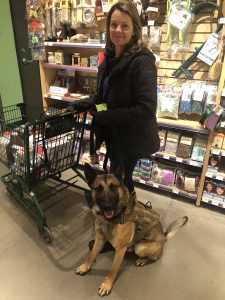
Step 12: Consider Whether a Dog Helps You Feel Safer
Many people feel safer with a dog in the home.
That makes sense.
A dog hears things people miss.
A dog may alert before you notice movement.
A dog can make the home feel occupied.
A dog can deter casual intruders.
A dog can give emotional comfort.
In one top-ranking Reddit thread, the original poster specifically mentioned considering a dog, a cat, smart home security devices, and a firearm with proper training as possible ways to feel safer living alone.
But this needs a serious distinction.
There is a difference between:
- A pet that comforts you.
- A dog that barks.
- A dog that looks intimidating.
- A dog trained for sport bite work.
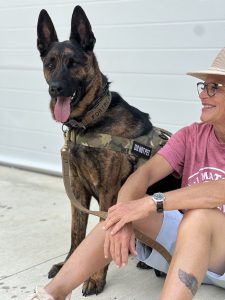
- A true Family Protection Dog.
A pet dog may help you feel less alone.
A barking dog may deter some people.
But a true Family Protection Dog is a different level of responsibility.
Step 13: Understand the Difference Between a Pet, a Guard Dog, and a Family Protection Dog
This distinction matters.
A normal pet may comfort you, alert to noises, or bark at the door.
A guard dog may patrol or deter, but may not be safe or appropriate inside a family environment.
A sport-trained dog may perform impressive bite work, but that does not mean it is prepared for real-world family protection.
A true Family Protection Dog must do two things well:
- Live safely with the family.
- Respond decisively when a real threat appears.
Fortress K9’s Free Gift framework states the core problem clearly: cameras record but do not intervene, alarms alert but do not stand between your family and violence, most pets are not trained to stop a threat, and not every biting dog is a protection dog.
That is the standard.
A dog that is unsafe inside the home is not protection.
It is a new problem.
Step 14: The Switch — Calm in the Home, Capable Under Threat
At Fortress K9, the standard is The Switch.
That means:
Calm in the house.
Stable around the family.
Safe with the right people.
Obedient under pressure.
Controlled aggression when there is a true threat.
Then back to stability.
The Fortress K9 consultation outline explains this positioning directly: the dogs are not sport dogs; they must live safely in the home like family dogs while also being capable of real violence if the situation requires it. The same source describes the balance as “Calm in the house. Stable around the family. Controlled aggression when there is a true threat.”
That is what most people are actually looking for when they say they want to feel safer.
They do not want chaos.
They want confidence.
They want to know that if something is wrong, they are not alone and not helpless.
Step 15: Do Not Confuse Flashy Bite Work With Real Protection
A dog biting equipment on video may look impressive.
That does not prove the dog is right for your home.
Fortress K9’s Free Gift material makes this point directly: biting is easy to show, but stability, judgment, and control are harder to build.
That matters because families need stability first.
A protection dog may be right for people concerned about family security, personal safety, isolated property, travel, business concerns, high-profile lifestyle, or recent threat awareness. But Fortress K9’s own material also says this is not for everyone, especially people looking for cheap intimidation, people unwilling to maintain obedience, households without structure, or buyers not ready for the responsibility.
That selectiveness builds trust.
A protection dog should not be sold as a quick emotional fix.
It is a serious security decision.
Step 16: Build a Layered Home Safety Plan
The most reliable way to feel safer at home is to build layers.
Not one product.
Not one weapon.
Not one camera.
Not one dog.
Layers.
Layer 1: Privacy
Limit what people can learn about your routines, schedule, home, and vulnerabilities.
Layer 2: Lighting
Use exterior and interior lighting to reduce dark unknowns.
Layer 3: Locks and Reinforcement
Make entry harder and give yourself more time.
Layer 4: Awareness
Use cameras, sensors, alarms, neighbors, and habits to know what is happening.
Layer 5: Routine
Create a nightly lock-up process so your mind can settle.
Layer 6: Safer Room
Know where you go and what you do if something feels wrong.
Layer 7: Family Plan
Make sure everyone in the house knows the plan.
Layer 8: Defensive Tools
Use legal, trained, appropriate tools that support the plan.
Layer 9: Protection Dog
For the right family, a properly trained Family Protection Dog can add a living layer of security.
This structure matters because fear often comes from vagueness.
A plan gives fear a job.
A Simple Checklist to Feel Safer at Home Tonight
Use this tonight.
Before Dark
- Close blinds and curtains.
- Turn on exterior lights.
- Check that gates and doors are closed.
- Move valuables out of view.
- Bring packages inside.
- Make sure your phone is charged.
Before Bed
- Lock exterior doors.
- Check windows.
- Close and lock garage.
- Arm alarm or camera notifications.
- Put keys, flashlight, shoes, and phone in the same place.
- Confirm children or family members are settled.
- Review your safer-room plan.
This Week
- Meet or text one trusted neighbor.
- Trim dark landscaping near windows.
- Install or improve motion lights.
- Reinforce door strike plates.
- Fix one recurring noise that makes you uneasy.
- Test your alarm or cameras.
- Create a simple emergency contact list.
- Walk through your safer-room plan once.
This Month
- Review all exterior entry points.
- Upgrade weak locks.
- Add cameras or sensors where needed.
- Build a family emergency plan.
- Take a basic personal safety or home security class if appropriate.
- Evaluate whether a trained protection dog fits your situation.
What Not to Do
Do not ignore fear if it is pointing to a real vulnerability.
Do not feed fear with endless crime content and no action.
Do not rely on one tool.
Do not buy a weapon without training.
Do not get a powerful dog because you feel afraid today.
Do not post your routines online.
Do not tell casual acquaintances when you are alone.
Do not leave your home’s weak points unresolved.
Most people do not need more fear.
They need more structure.
When a Family Protection Dog May Be the Right Decision
A trained Family Protection Dog may be the right decision if:
- You want more than cameras and alarms.
- You live alone or have family home alone often.
- You have a specific security concern.
- You travel and want your spouse or family to have active protection.
- You live on isolated or rural property.
- You want a dog that is safe in the home and capable when it matters.
- You understand the responsibility of owning a serious protection dog.
- You want professional Family Integration Training and support.
It may not be the right decision if:
- You only want intimidation.
- You are unwilling to maintain obedience.
- You do not want structure in the home.
- You want a cheap solution.
- You are not ready for the responsibility.
- You expect the dog to solve every security problem automatically.
A Fortress K9 Family Protection Dog is not a panic purchase.
It is a serious choice for people who want more certainty in an uncertain world.
The Bottom Line
You feel safer at home when you have more control.
Not imagined control.
Real control.
You know the doors are locked.
You know the lights are working.
You know the windows are covered.
You know your neighbors.
You know what the noises are.
You know what the cameras show.
You know where to go.
You know who to call.
You know what your family will do.
And, for the right home, you may know that a trained Family Protection Dog is there with you — calm when life is normal, capable when the threat is real.
That is not paranoia.
That is preparation.
Home should feel like a place of peace.
Build the system that helps make that true.
Need Help Deciding What Level of Protection Fits Your Home?
If you feel less secure than you should, do not start by buying random tools.
Start by getting clear.
Fortress K9 trains Family Protection Dog s that are safe in the home, stable around the family, and capable when a real threat appears.
If you are ready to purchase a trained Fortress K9 Protection Dog, then scheduling a consultation is the right decision.
If you want stronger family security before buying a protection dog, then the Family Protection Plan is the right decision.
If you want to understand real protection dogs before moving forward, then Beyond the Bite is the right decision.
FAQ Section
How can I feel safer at home?
Start with simple control points: lock doors and windows, close blinds at night, improve lighting, reduce unknown noises, know your neighbors, use cameras or alarms where appropriate, and create a simple plan for what you would do if something felt wrong.
How do I feel safer living alone?
Build a predictable nightly routine, use motion lights, close blinds, keep your phone charged, meet trusted neighbors, use entry cameras or alarms, and create a safer-room plan. Living alone does not mean you should feel helpless. It means your system needs to be clear and repeatable.
Do security cameras help you feel safer?
Security cameras can help because they reduce uncertainty. You can check what is happening outside without opening the door or walking toward danger. Cameras should be part of a larger plan that includes locks, lighting, routines, and a response plan.
Why do I feel unsafe at home at night?
People often feel unsafe at night because visibility drops, normal house sounds feel louder, and uncertainty increases. Closing blinds, adding lighting, fixing recurring noises, and creating a lock-up routine can help reduce that feeling.
Is getting a dog a good way to feel safer at home?
A dog may help you feel less alone and may alert to unusual sounds. However, a pet dog is not the same as a trained Family Protection Dog. If you want real protection, the dog must be stable, obedient, safe in the home, and trained for real-world protection.
What is the difference between a guard dog and a Family Protection Dog?
A guard dog may bark, patrol, or deter. A Family Protection Dog must live safely with the family and respond under control when a real threat appears. Stability, obedience, judgment, and the ability to turn off are critical.
Should I buy a firearm to feel safer at home?
A firearm is a serious tool and should only be considered with proper legal knowledge, safe storage, and professional training. It does not replace locks, lighting, awareness, emergency planning, or judgment.
What is the first thing I should do tonight to feel safer?
Start with a simple lock-up routine: close blinds, lock doors, check windows, turn on exterior lights, charge your phone, place keys and shoes nearby, and make sure you know where you would go if something felt wrong.