How to Protect Your Family From a Home Invasion
A home invasion is not just a property crime.
It is a moment where your family may have seconds to make decisions under fear, confusion, noise, darkness, and pressure.
That is why the real question is not simply, “How do I stop someone from breaking into my house?”
The better question is:
How do I protect my family before, during, and after a home invasion?
Most families do not need a fantasy tactical plan. They need a simple, realistic system that helps them avoid being targeted, detect danger early, slow the threat down, move children to safety, call for help, and survive the first critical minutes.
This guide will walk you through that system.
It is not legal advice. It is not a substitute for professional security, firearms, medical, or legal training. But it will give you a clear framework for thinking about family protection in the real world.
The Goal Is Not to Fight. The Goal Is to Protect Your Family.
When people think about home invasion defense, they often start with weapons.
That is backward.
The goal is not to “win a fight” inside your home. The goal is to keep your family alive, reduce risk, avoid unnecessary danger, and give yourself time to make good decisions.
Your home protection plan should be built around five priorities:
Deter the wrong people from choosing your home.
Detect danger before it reaches your family.
Delay entry long enough to respond.
Move your family to a safer position.
Respond with the appropriate level of force, help, and communication.
If your plan starts only after someone is already inside the house, your plan starts too late.
Step 1: Make Your Home a Harder Target
Most criminals prefer easy targets.
They look for darkness, concealment, unlocked doors, weak entry points, visible valuables, predictable routines, and homes that appear empty or unprotected.
Your first job is to make your home look difficult, risky, and not worth the trouble.
Start with the basics:
Keep exterior doors locked, even when you are home.
Use quality deadbolts and reinforced strike plates.
Replace short door-frame screws with longer structural screws.
Keep garage doors fully closed and secured.
Lock windows and sliding doors.
Use secondary locks or security bars on sliding doors.
Keep bushes and shrubs trimmed around entry points.
Use motion lighting near doors, driveways, gates, and blind spots.
Keep expensive items, tools, ladders, and valuables out of sight.
Do not leave spare keys in obvious hiding places.
Use timers or smart lighting when away from home.
These measures are not glamorous. They work because they make the criminal’s job harder.
A home invasion plan should begin outside the house, not in the hallway after the door breaks.
Step 2: Build Early Warning Into the Property
A family needs time.
Time to wake up.
Time to gather children.
Time to call 911.
Time to get to the safe room.
Time to make decisions before panic takes over.
Early warning gives you that time.
Useful early-warning tools include:
Doorbell cameras.
Exterior cameras.
Driveway alarms.
Motion lights.
Glass-break sensors.
Door and window sensors.
Monitored alarm systems.
Dogs that alert to unusual activity.
Technology matters, but technology has limits.
A camera may record the threat.
An alarm may notify the police.
A light may expose movement.
But none of those tools physically stands between your family and the threat.
That does not mean cameras and alarms are useless. They are important. But they should be part of a layered plan, not the whole plan.
Step 3: Harden the Most Likely Entry Points
Walk your property in daylight.
Then walk it again at night.
Ask yourself:
Which door would I attack first if I wanted in?
Which window is most hidden from the street?
Which side of the house has the least lighting?
Could someone reach an upper window using a ladder, roofline, tree, or fence?
Is the garage a weak point?
Are children’s bedrooms between the likely entry point and the parents’ bedroom?
Could someone enter before we had time to react?
Do not overcomplicate this.
Most families need to improve the obvious points first:
Front door.
Back door.
Garage entry door.
Sliding glass doors.
Ground-level windows.
Basement access.
Poorly lit side yards.
Exterior gates.
A stronger door, better lighting, reinforced locks, and fewer blind spots can change the entire equation.
The goal is not to create a fortress that traps your family inside. The goal is to slow entry, increase warning, preserve escape routes, and give your family more time.
Step 4: Create a Family Home Invasion Plan
A good plan is simple enough to execute under stress.
That matters because stress changes people.
During a real emergency, people may freeze. They may lose fine motor skills. They may get tunnel vision. They may not hear clearly. Time may feel distorted. Children may scream. Adults may forget steps they thought they knew.
That is why your plan cannot depend on complicated instructions.
Every person in the home should know:
Where to go.
Who gets the children.
Who calls 911.
What room to move toward.
What doors to lock behind them.
What words or phrases mean danger.
What not to do.
Where to meet if escape is required.
For many families, the plan should center around a safer room.
That room should be easy to reach, defensible, and simple for children to understand.
It may include:
A solid-core door.
Reinforced lock.
Phone charger.
Flashlight.
Medical kit.
Emergency contact list.
Shoes.
Defensive tools where legally and safely appropriate.
A way to communicate with law enforcement.
A plan for children and pets.
Do not call it something frightening for young kids. You can frame it like a fire drill.
“We have a plan so everyone knows what to do.”
That is not fear. That is preparation.
Step 5: Teach Children Without Terrifying Them
Children do not need adult-level threat details.
They need clear, calm instructions.
For young children, keep it simple:
“If we say this word, go to this room.”
“Stay low and quiet.”
“Do not open the door.”
“Listen to Mom or Dad.”
“Do not run through the house looking for pets or toys.”
“If we leave the house, go to this meeting place.”
For older children, you can add more responsibility:
Lock bedroom door.
Help younger siblings.
Call 911 if directed.
Stay away from windows.
Know the family meeting point.
Know how to give the address clearly.
Do not make children responsible for fighting.
Do not make them responsible for adult decisions.
Do not build a plan that requires a child to act like a trained adult under pressure.
Their job is to move, listen, stay together, and survive.
Step 6: Practice the Plan Before You Need It
A plan you never practice is only an idea.
Practice does not need to be dramatic. It should be calm, short, and repeatable.
Start with basic drills:
Drill 1: Night Movement Drill
Purpose: Make sure everyone can move from bedrooms to the safer room.
Run it slowly first.
Start in normal sleeping areas.
Give the family command or phrase.
Move to the safer room.
Close and lock the door.
Practice getting everyone accounted for.
End the drill calmly.
Do not rush at first. Build familiarity before adding speed.
Drill 2: 911 Communication Drill
Purpose: Make sure adults and older children know what to say.
Practice:
Full address.
Name.
“Someone is trying to break into our home.”
Number of people in the home.
Where the family is located inside the house.
Whether anyone is injured.
Description of the threat if safely known.
Do not hang up unless the dispatcher tells you to.
Drill 3: Safe Room Accountability Drill
Purpose: Make sure no one is missing.
Practice checking:
Parents.
Children.
Guests.
Pets, if realistic and safe.
Phone.
Defensive tools, if applicable.
Medical supplies.
Drill 4: Escape Route Drill
Purpose: Make sure the family can leave if staying inside becomes more dangerous.
Practice:
Primary exit.
Secondary exit.
Outdoor meeting place.
Neighbor contact.
Where to go if separated.
Home invasion planning must not create a fire trap. Security should never eliminate safe escape.
Step 7: Understand the Role and Limits of Firearms
Firearms are serious tools.
For some families, they are part of the protection plan. For others, they are not. Either way, the decision must be made soberly.
If firearms are part of your home defense plan, you need professional training, safe storage, legal knowledge, and a plan that accounts for children, guests, darkness, stress, target identification, overpenetration, police response, and the emotional/legal aftermath of using force.
A firearm does not replace a family plan.
It does not gather your children.
It does not call 911.
It does not identify every sound in the dark.
It does not guarantee good decisions under stress.
It does not remove legal consequences.
It is one tool, not the system.
Your family protection system must be larger than any single tool.
Step 8: Understand Where Dogs Fit Into Home Invasion Protection
A dog can be one of the most powerful layers in a family protection plan.
But this is where people need clarity.
There is a major difference between:
A pet dog that barks.
A sport-trained dog that performs routines.
A guard dog that is unstable or unsafe.
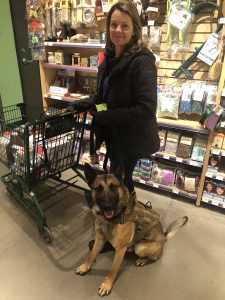
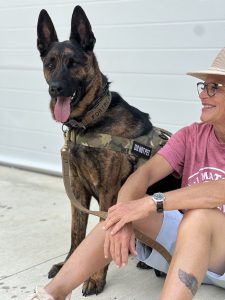
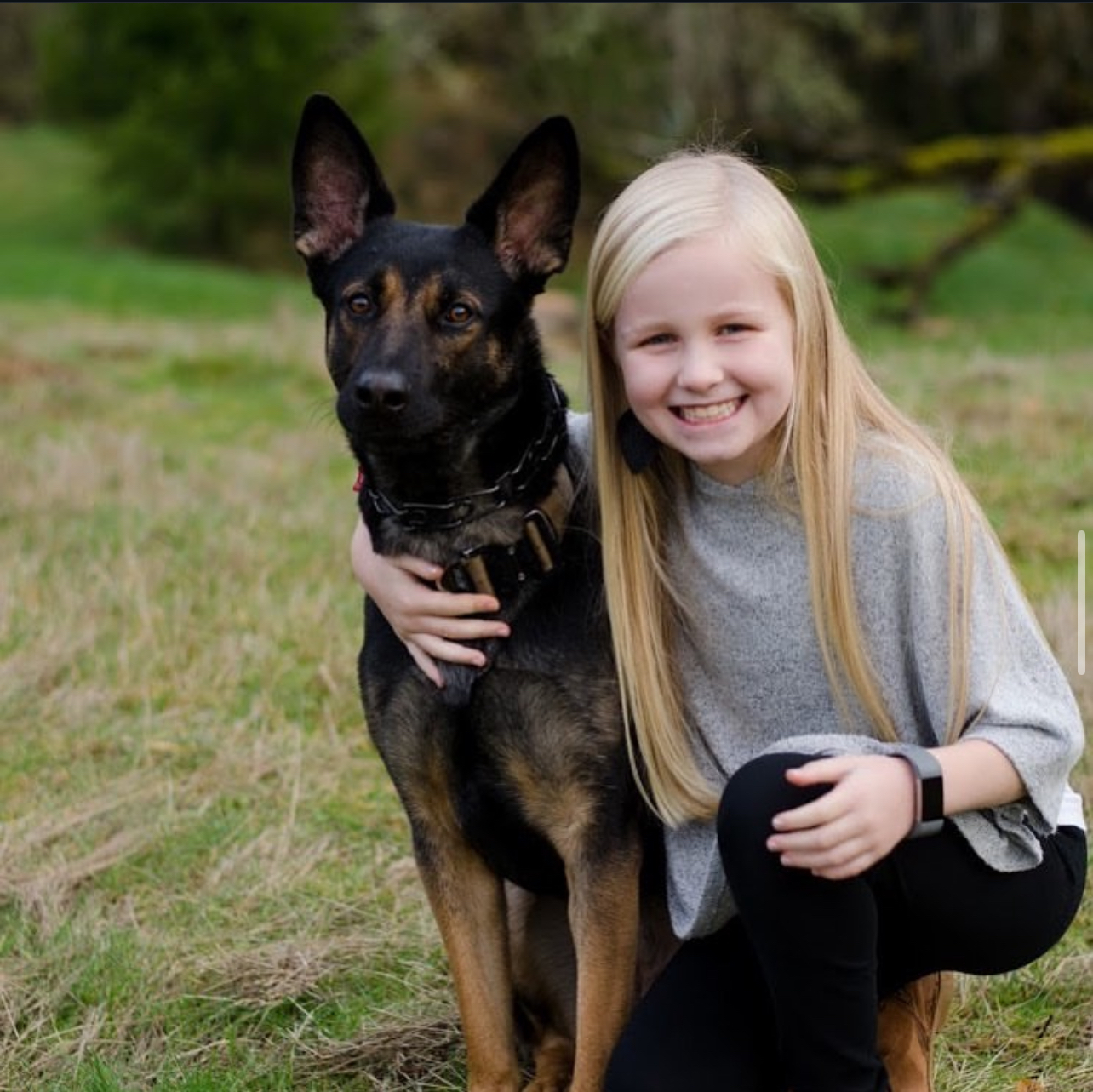
A true Family Protection Dog trained for real life.
A real Family Protection Dog must do two things well.
First, the dog must be safe in the home.
That means stable around children, guests, normal household movement, public environments, and family life.
Second, the dog must be capable when the threat is real.
That means the dog is not merely barking, posturing, or performing rehearsed sport routines. The dog must be trained for real-world pressure, confusion, environmental stress, and controlled aggression when required.
At Fortress K9, we describe this as The Switch.
Calm in the home.
Stable around the family.
Controlled aggression when there is a true threat.
Then able to turn off and return to stability.
That balance is non-negotiable.
If a dog is not safe around your children, it is not a protection dog.
Step 9: Do Not Confuse Sport Training With Real-World Family Protection
Many people see impressive bite work and assume they are looking at protection training.
Not always.
Sport-based protection training can produce athletic, obedient, impressive dogs. But sport is not the same as real-world family protection.
Sport work is usually built around rules, patterns, equipment, fields, routines, and predictable pictures.
A home invasion is not predictable.
A real threat may involve:
Darkness.
Screaming.
Children moving.
Tight hallways.
Slippery floors.
Furniture.
Multiple people.
Weapons.
A person who does not behave like a training helper.
A fight that looks nothing like a sport routine.
That does not mean sport dogs are bad dogs.
It means the training goal is different.
A Family Protection Dog must be selected, raised, trained, tested, and integrated for family life and real pressure. The dog must be livable first and capable when needed.
That is a higher standard than flashy bite work.
Step 10: Use Layers, Not Wishful Thinking
A strong family protection plan uses layers.
No single layer is enough.
Cameras can fail.
Alarms can be ignored.
Locks can be defeated.
People can freeze.
Dogs can be poorly trained.
Weapons can create legal and safety risks.
Plans can collapse if never practiced.
The answer is not paranoia.
The answer is layered preparation.
Here is the basic structure:
Layer 1: Deterrence
Make your home less attractive.
Lighting. Cameras. Fences. Locked gates. Visible occupancy. No obvious valuables. No easy hiding places.
Layer 2: Detection
Know something is wrong early.
Cameras. Alarms. Sensors. Dogs. Neighbors. Motion lighting. Driveway alerts.
Layer 3: Delay
Slow the threat down.
Reinforced doors. Better locks. Secured windows. Garage discipline. Interior locked doors. Safe-room preparation.
Layer 4: Movement
Move your family away from danger.
Assigned roles. Clear commands. Safe room. Escape routes. Children accounted for.
Layer 5: Response
Take appropriate action.
Call 911. Communicate clearly. Avoid unnecessary confrontation. Defend only when required and legally justified. Use trained tools, trained people, and trained dogs appropriately.
Layer 6: Recovery
Know what happens after.
Police contact. Medical care. Legal counsel. Trauma support. Insurance. Security review. Family debrief.
Most families think only about Layer 5.
That is the mistake.
The earlier layers are what give you time, options, and control.
A Simple Home Invasion Protection Checklist
Use this as a starting point.
Exterior
Motion lights installed.
Entry points visible from street or cameras.
Bushes trimmed away from doors and windows.
Gates secured.
Ladders and tools stored.
Valuables not visible.
Cameras cover likely approach routes.
Doors
Deadbolts installed.
Strike plates reinforced.
Long screws installed.
Solid exterior doors.
Garage entry secured.
Sliding doors reinforced.
Windows
Locks checked.
Ground-level windows secured.
Basement windows reviewed.
Window coverings used at night.
Security film considered where appropriate.
Alarm and Camera System
Cameras functional.
Notifications turned on.
Alarm armed at night.
Family knows what alarm sounds mean.
Backup plan exists if power or internet fails.
Family Plan
Safer room selected.
Escape routes identified.
Children know where to go.
Adults know roles.
Emergency contacts written down.
911 script practiced.
Plan practiced calmly.
Protection Dog Consideration
Dog is stable around family.
Dog is safe with children.
Dog is obedient under stress.
Dog has clear on/off control.
Dog is trained for real-world protection, not just sport.
Family receives integration training.
Ongoing support is available.
What Most Families Get Wrong
Most families make one of five mistakes.
Mistake 1: They Buy Gear Instead of Building a Plan
Gear helps.
But gear without a plan creates false confidence.
A camera does not tell your child where to go.
A firearm does not reinforce your door.
An alarm does not teach your family how to move under stress.
A dog without proper training can become a liability.
Start with the plan. Then choose tools that support the plan.
Mistake 2: They Wait Until Something Happens
Home invasion protection must be built before fear takes over.
Once someone is forcing entry, your options shrink fast.
The time to decide where the kids go is not when glass is breaking.
Mistake 3: They Make the Plan Too Complicated
Under stress, simple wins.
Use short commands.
Use clear roles.
Use obvious routes.
Use repeated practice.
Avoid plans that require everyone to remember ten steps in the dark.
Mistake 4: They Ignore Family Reality
A plan for a single adult is not the same as a plan for a family with children.
You may need to move toward children before moving away from danger. You may need to account for pets. You may have elderly parents in the home. You may have guests. You may have a spouse who is uncomfortable with weapons.
Build the plan around your actual household.
Mistake 5: They Choose the Wrong Dog
A powerful dog that cannot live safely in your home is not an asset.
A dog that is dangerous around children is not protection.
A dog that cannot be controlled is not protection.
A dog that only performs rehearsed routines may not be ready for real chaos.
The right dog must fit the family, the home, the handler, and the threat profile.
When a Family Protection Dog Makes Sense
A trained Family Protection Dog may be the right solution when:
You want active protection, not just passive alerts.
You are concerned alarms and cameras may not be enough.
You want a visible deterrent that lives with your family.
You need a dog that is safe around children and guests.
You want protection without turning your home into a prison.
You want time and warning before a threat reaches your family.
You understand that a serious dog requires proper handling and structure.
A protection dog is not right for everyone.
It requires the right dog, the right training, the right family, and the right support.
But for the right household, a true Family Protection Dog adds something cameras, locks, and alarms cannot provide:
A living, thinking layer of protection inside the family environment.
The Best Home Invasion Plan Is Built Before You Need It
You do not need to live afraid.
But you do need to be honest.
Bad things happen.
Police response takes time.
Criminals choose easy targets.
Stress makes people worse at thinking.
Children need simple instructions.
Tools do not replace training.
A dog must be safe before it is useful.
The right plan gives your family clarity.
It helps you deter the threat before it starts.
It helps you detect danger earlier.
It helps you slow the threat down.
It helps your family move with purpose.
It helps you respond with better judgment.
That is how you protect your family from a home invasion.
Not with panic.
Not with fantasy.
Not with one piece of gear.
With a simple, layered, practiced plan.
Need Help Deciding What Level of Protection Fits Your Family?
If you are concerned that cameras, alarms, and locks may not be enough, the next step is to get clear before you make a costly mistake.
Fortress K9 trains Family Protection Dog s that are safe in the home and capable when it matters.
Our dogs are built around stability, obedience, real-world protection, and Family Integration Training so the dog can become part of your actual life — not just perform on a training field.
If you want a clear plan for protecting your family, then scheduling a consultation is the right decision.
If you are not ready to choose a dog yet, then starting with the family protection plan is the right decision.
If you want to understand the difference between sport training and real protection first, then reading Beyond the Bite is the right decision.
FAQ Section
What is the best way to protect your family from a home invasion?
The best way to protect your family from a home invasion is to build a layered plan: deter criminals, detect danger early, delay entry, move your family to safety, call for help, and prepare an appropriate response. Do not rely on one tool. Locks, lights, cameras, alarms, family drills, and trained protection options should work together.
Should every family have a safe room?
Not every family needs a formal safe room, but every family should have a designated safer area. This should be a room where family members can gather, lock the door, call 911, and wait for help or make the next decision.
Are cameras enough to stop a home invasion?
Cameras can deter criminals, provide early warning, and record evidence, but they do not physically stop an intruder. Cameras should be part of a larger home security plan that includes locks, lighting, alarms, family procedures, and appropriate defensive options.
Are protection dogs good for home invasion defense?
A properly selected and trained Family Protection Dog can be an effective layer of home invasion protection because the dog can deter, alert, and physically respond when needed. However, the dog must be safe around the family, stable in the home, obedient under stress, and trained for real-world protection rather than only sport performance.
What is the biggest mistake families make with home defense?
The biggest mistake is buying tools without building a plan. A firearm, alarm, camera, or dog can all fail if the family does not know where to go, what to do, who gets the children, how to call for help, and how to respond under stress.
How do I teach my children about home invasion safety?
Teach children simple emergency actions without frightening them. Use calm language, similar to a fire drill. Tell them where to go, who to listen to, what door not to open, and where the family meets if they leave the house.
Is a sport-trained dog the same as a Family Protection Dog?
No. Sport training and real-world family protection have different goals. Sport training is usually structured around rules, equipment, and predictable routines. A Family Protection Dog must be safe in the home, stable around children, and capable of responding under real-world pressure.