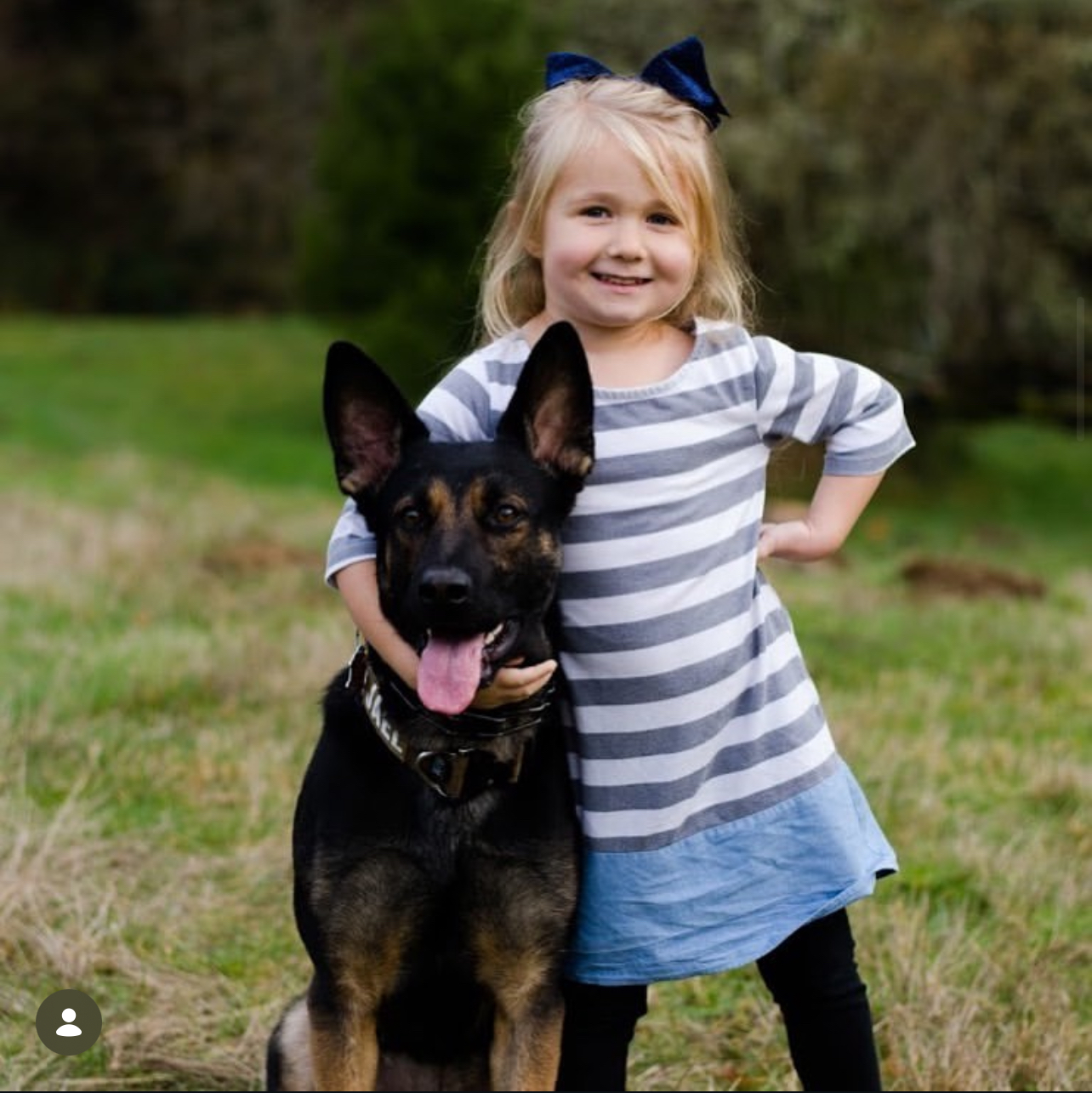
Protection Dog Training: What Actually Works to Keep Your Family Safe
Do you feel like your family isn’t truly safe—and you’re not sure what would actually protect them if something happened?
Most people think protection comes down to tools.
A gun.
An alarm system.
A big dog.
But when you look closer, most of those solutions rely on reacting after a threat has already started.
That’s where protection dog training changes everything.
At Fortress K9, protection dog training is not about teaching a dog to bite.
It’s about building a dog that can live safely with your family and respond correctly when it matters.
What Is Protection Dog Training?
Protection dog training is the process of developing a dog to provide real-world security while remaining safe and controlled in everyday life.
A properly trained protection dog must:
- Be calm and stable in the home
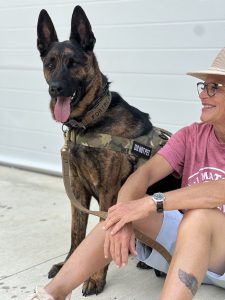
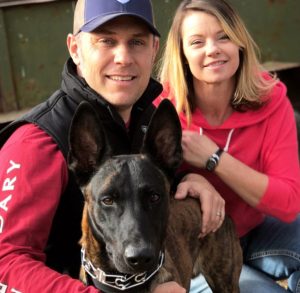
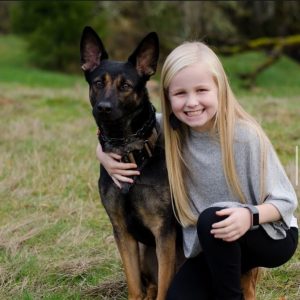
- Be safe around children and guests
- Follow commands immediately
- Detect and deter threats early
- Engage only when necessary
- Disengage on command
This combination of control and capability is what defines real protection.
Why Most Protection Dog Training Falls Short
Many programs focus on one thing:
The bite.
Dogs are trained to engage a decoy in a controlled environment.
The problem is:
Real life doesn’t look like training.
In real situations:
- Threats move unpredictably
- There may be multiple attackers
- Weapons may be involved
- Stress affects both the dog and the handler
A dog trained only for controlled scenarios may not perform when it matters.
As explained in Beyond the Bite, protection is not a single skill.
It’s a system.The Fortress K9 Approach to Protection Dog Training
At Fortress K9, protection dog training is built around real-world application.
The goal is simple:
A dog that is safe in your home and capable in a real threat.1. Selection: Not Every Dog Can Do This
Protection training starts before training begins.
Dogs must have:
- Stable temperament
- Clear thinking under pressure
- Strong but controlled drive
Without this foundation, training will fail.2. Foundation Training: Building Control First
Before protection is introduced, dogs are trained in:
- Obedience
- Environmental exposure
- Socialization
This ensures the dog is:
- Calm in daily life
- Confident in new environments
- Safe around people and animals
Control always comes before capability.3. Real-World Training: Beyond the Pattern
Unlike sport-based training, Fortress K9 dogs are trained for:
- Movement and unpredictability
- Multiple attackers
- Environmental challenges
- High-stress scenarios
This prepares the dog for real situations—not rehearsed ones.4. Muzzle Work: Removing the Crutch
A key part of advanced protection dog training is muzzle work.
Without the ability to bite, the dog must:
- Stay engaged
- Continue working under pressure
- Maintain clarity without reward
This builds true commitment—not dependency on the bite.5. Handler Integration: Working Together
A protection dog is not independent.
It operates as part of a system with the handler.
Training includes:
- Movement together
- Positioning
- Clear communication
As we often say:
We build the dog, then we show you how to use it.6. Control During and After the Fight
The most important part of protection dog training is control.
A properly trained dog must:
- Engage when necessary
- Stop immediately when told
- Return to calm behavior
Without this, the dog becomes a liability.Are Protection Dogs Safe With Families?
This is one of the most common concerns.
A properly trained protection dog is:
- Calm in the home
- Safe with children
- Socialized with guests and pets
At Fortress K9, there is zero tolerance for unwarranted aggression.
Dogs are trained to:
- Ignore normal behavior
- Stay stable in everyday life
- Respond only to real threats
The result is a dog that is both:
- Safe for your family
- Capable of protecting your family
How Long Does Protection Dog Training Take?
Real protection dog training takes time.
At Fortress K9, dogs are developed over 18–24 months.
This includes:
- Selection
- Foundation training
- Advanced protection work
- Environmental exposure
- Family integration
This timeline ensures the dog is fully prepared—not partially trained.What Makes Protection Dog Training Effective?
Effective training focuses on:Realism
Training must reflect real-world situations.Repetition Under Pressure
Dogs must perform under stress—not just in calm environments.Clarity
Dogs must understand exactly what is expected.Consistency
Handlers must reinforce training correctly.
When these elements come together, the result is a dog that performs reliably.What Life Looks Like After Protection Dog Training
The biggest change most families experience is simple:
peace of mind
Instead of feeling:
- Anxious
- Vulnerable
- On edge
They feel:
- Safe
- Confident
- Relaxed
This change often happens quickly.
Within days, the bond begins.
Within weeks, confidence grows.
Over time, the dog becomes a trusted part of the family.Why Protection Dog Training Is Different From Other Security Options
Most security solutions are tools.
A trained protection dog is part of a complete system.
- Awareness
- Detection
- Deterrence
- Response
- Control
As we often say:
It’s not a tool. It’s a complete system.Learn More About Protection Dog Training
If you want to understand what actually works in protection dog training—and what most people get wrong—Beyond the Bite breaks down the full process.
You’ll learn:
- What separates real protection dogs from trained performers
- How dogs are prepared for real-world situations
- What to look for before making a decision
Final Thoughts
Most people wait until it’s too late to realize their plan wouldn’t have worked.
Protection dog training, when done correctly, gives your family something different:
- Constant presence
- Immediate capability
- Real protection
If you are struggling with protecting your family when you’re not there, then a Fortress K9 Protection Dog is the right answer.